December 12, 2025
Bottle system without chaos: nipples, warmers, prep and cleaning
A gentle reminder: The content in this article is for informational purposes only and is not intended to be a substitute for professional medical advice, diagnosis, or treatment. Always seek the advice of your pediatrician or another qualified health provider with any questions you may have regarding a medical condition. If you are facing a problem that feels sharp, persistent, or overwhelming, reaching out for professional help is a sign of strength.
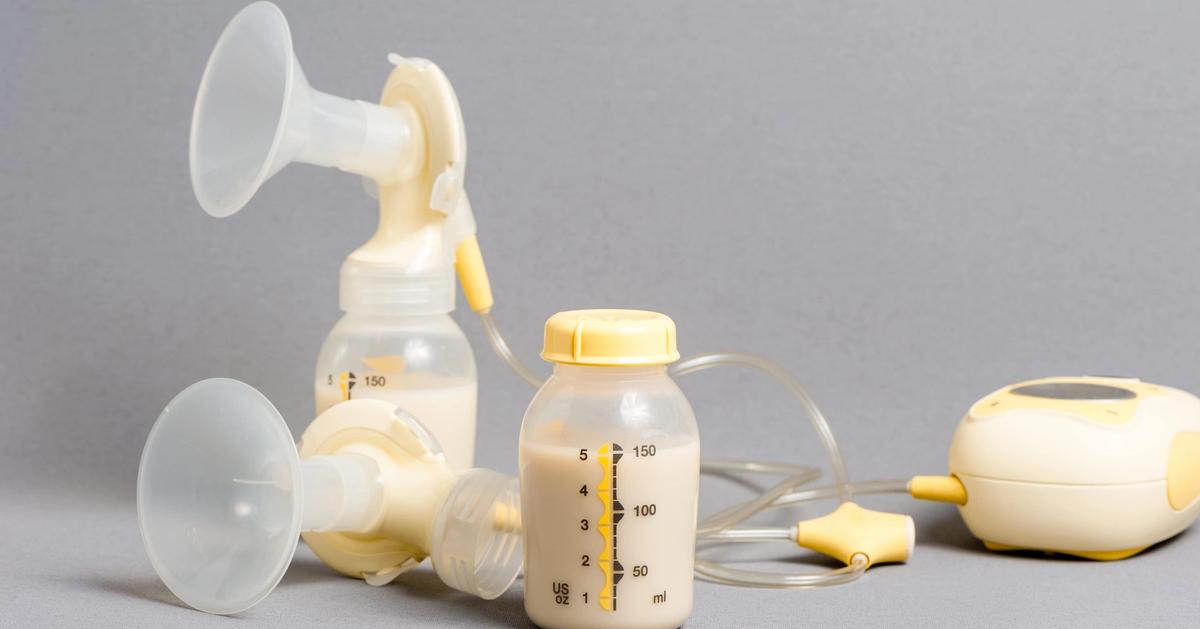
Managing a constant rotation of baby bottles can feel like a chaotic, never-ending cycle. Creating a simple, organised system for the entire workflow, from preparation to cleaning, can bring a surprising amount of calm and predictability to your day.
What often happens is that parents deal with each bottle on an "as-needed" basis. This leads to frantic moments of realising there are no clean bottles ready for a hungry, crying baby. Without a clear system, the bottle chaos can quickly take over your kitchen and your mental space. A better approach is to create a simple workflow.
Designate one specific area of your kitchen as your bottle preparation station. Keep your formula, clean bottles, and any other necessary items in this one spot. Knowing that everything you need is ready and waiting in one place eliminates the scramble to find things when your baby's hunger cues start.
It is wise not to buy a large quantity of one type of bottle before your baby arrives, as many babies have strong preferences. Start with a small sample of a few different brands to see what your baby accepts best. Pay close attention to the nipple flow rate. Newborns need a slow-flow nipple, and you can move to faster flows as they get older and more efficient at eating. As for bottle warmers, they are a convenient but non-essential item: a simple mug of warm water from the tap works just as well.
The key to avoiding a "no clean bottles" emergency is a consistent cleaning routine. Immediately after a feeding, give the used bottle a quick rinse and place it in a designated basin in the sink. Then, once or twice a day, you can wash and sterilise the entire batch at once. Using a dedicated bottle brush and a drying rack will make this process much faster and more organised, ensuring you always have a fresh bottle ready for the next feeding.
The goal is not to maintain a perfectly pristine kitchen, but simply to have a system that ensures a clean bottle is always ready when you need one.
Reference:
Centers for Disease Control and Prevention (CDC). (2025). How to Clean, Sanitize, and Store Infant Feeding Items. CDC.gov. https://www.cdc.gov/hygiene/about/clean-sanitize-store-infant-feeding-items.html
Related Articles
January 7, 2026
Expanding horizons: understanding your baby’s changing space needs
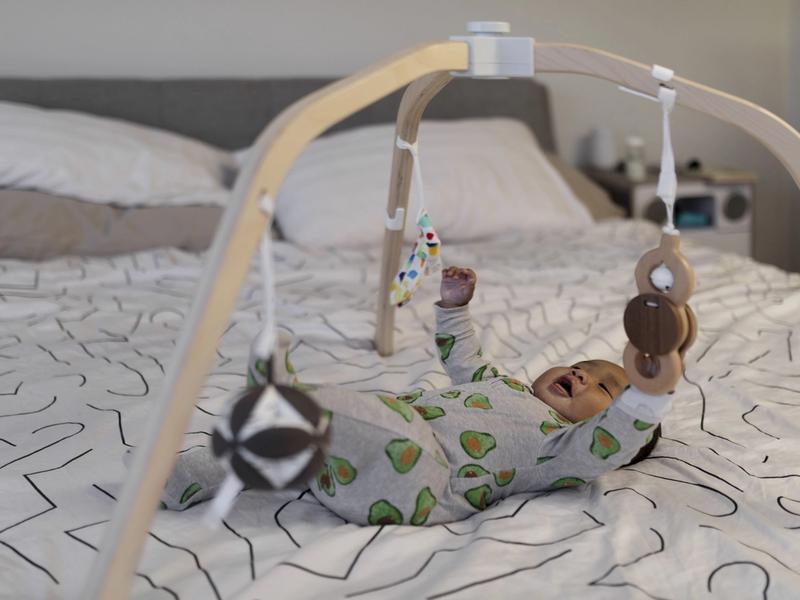
Adapt your home environment to support your growing child by recognizing the developmental shift from a need for close proximity to a desire for spatial independence. Learn to time the transition from room-sharing to a separate nursery to optimize sleep hygiene, and discover how to configure safe, expanded zones that encourage motor skill development without compromising safety.
January 2, 2026
Transitioning from bassinet to crib: timing, safety, and strategy
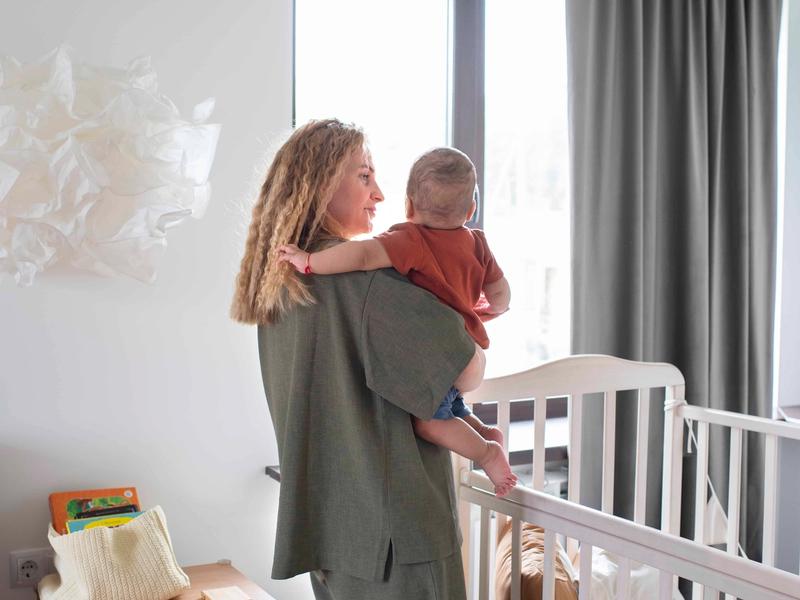
Identify the critical physical and developmental milestones that signal it is time to upgrade your baby’s sleep environment to ensure their continued safety. Discover practical strategies to smooth this transition to minimize disruption and maintain a secure routine for your family.

December 22, 2025
Heading Out: Determining Readiness for Your Baby’s First Walks
This guide is about determining the readiness and safety conditions for your baby’s first outdoor walks. Learn how to navigate weather challenges and crowd risks, and discover practical tips for dressing your baby and choosing the right gear for a successful outing.
December 19, 2025
Creating a safe space: where and how to place your baby for sleep and rest
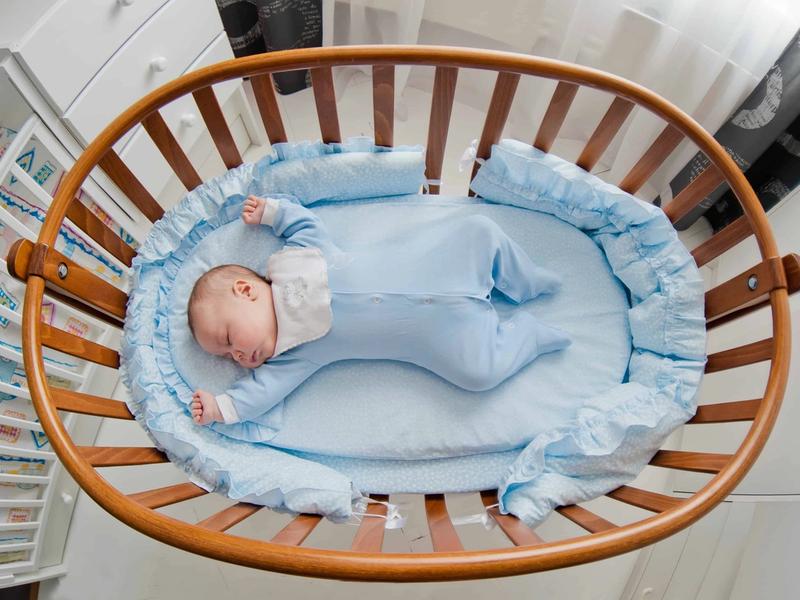
It is actually possible to establish a safe and practical sleep environment that balances safety standards with real-life logistics. Learn why room-sharing is recommended as the primary sleep space, and discover how to define and create safe sleep "stations" in any room of your house.